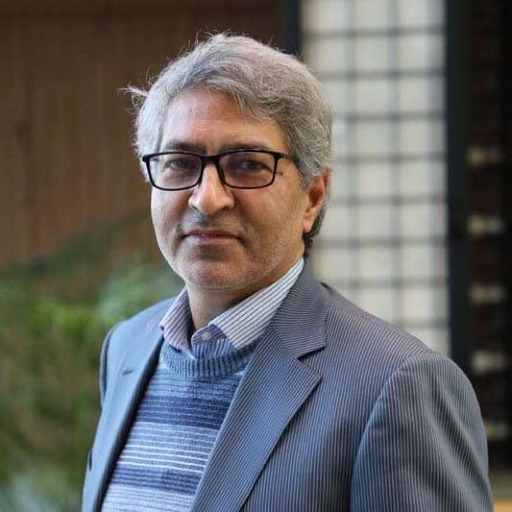
Habib Ahmadzadeh
Writer, Producer, and Director
Habib Ahmadzadeh, born on October 19, 1964, in Abadan, is a writer, screenwriter, director, and the producer of The Miracle of Banassan. He holds a PhD in Art Studies from Tarbiat Modares University and previously earned a master’s degree in Dramatic Literature from the University of Art in Tehran. A significant part of his professional and academic work has focused on literature and the art of resistance and resilience, through which he has produced numerous literary, research, and cinematic works.
His published books include Stories of the War-Torn City, Chess with the Doomsday Machine, and Code 24, or How The Blind Owl Was Created and Shaped. Stories of the War-Torn City and Chess with the Doomsday Machine have been translated into several languages.
Ahmadzadeh has also had an extensive career as a screenwriter. His credits include The Last 50 Steps, He Who Leaves the Sea, Night Bus, co-written with Kiumars Pourahmad and adapted from one of the short stories in Stories of the War-Torn City; Dialogue with the Shadow, co-written with Khosrow Sinai; The Trilogy: Episode One, co-written with Parviz Sheikh-Tadi; and The Trilogy: Episode Two, co-written with Abdolhassan Barzideh. He also served as a screenplay consultant on The Glass Agency.
As a documentary filmmaker, Ahmadzadeh has directed works including Arash’s Last Arrow, Living Wave, and The Best Statue in the World. He has also written articles such as Who Killed Mohammad?, about the life and death of journalist Mohammad Masoud; This Is How Terrorists Should Be Captured, Not Through the Futile Occupation and Destruction of Two Countries, which prompted a response and commentary from Noam Chomsky; and A Letter to Captain Will Rogers, addressed to the commander responsible for the downing of an Iranian passenger aircraft.
Ahmadzadeh’s work in literature and cinema has received recognition through numerous awards and nominations. His honors include the Special Jury Award Crystal Simorgh in the Documentary Section of the Fajr International Film Festival in 2011, an Honorary Diploma from the Cinema Vérité International Documentary Film Festival in 2011, and Third Prize in the Documentary Section of the National Sacred Defense Film Festival in 2012, all for The Best Statue in the World. He also received the Cinema House Award in 2005 for the screenplay of Night Bus.
In literature, Ahmadzadeh received Third Prize in the Writing Forge literary competition for his short story A Letter to the Saad Family, the Shahid Ghanipour Award in the Sacred Defense fiction and novel category for Chess with the Doomsday Machine, and the award for one of the outstanding books of twenty years of Sacred Defense fiction for Stories of the War-Torn City.
A significant part of Ahmadzadeh’s more recent work has focused on promoting peace and cultural dialogue. During his years of activity at the Tehran Peace Museum, he became acquainted with Dr. Shizuko Tsuya and the Most group and their humanitarian activities. This experience led him to establish the Iran–Hiroshima Friendship Film Festival.
Ahmadzadeh’s initial idea for making a film about Dr. Tsuya was conceived as a tribute to her humanitarian work, particularly her efforts in connection with Iranian chemical-injury veterans. After presenting the idea to Dr. Tsuya and encountering her three conditions, the project evolved into The Miracle of Banassan, previously known as Stories of One Thousand and One Days.
The Miracle of Banassan is a documentary-fiction hybrid centered on Habib Ahmadzadeh, exploring themes of peace, humanitarianism, and social activism through his personal experiences and commitment to these ideals.